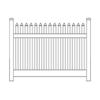
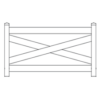
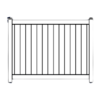
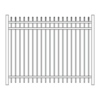
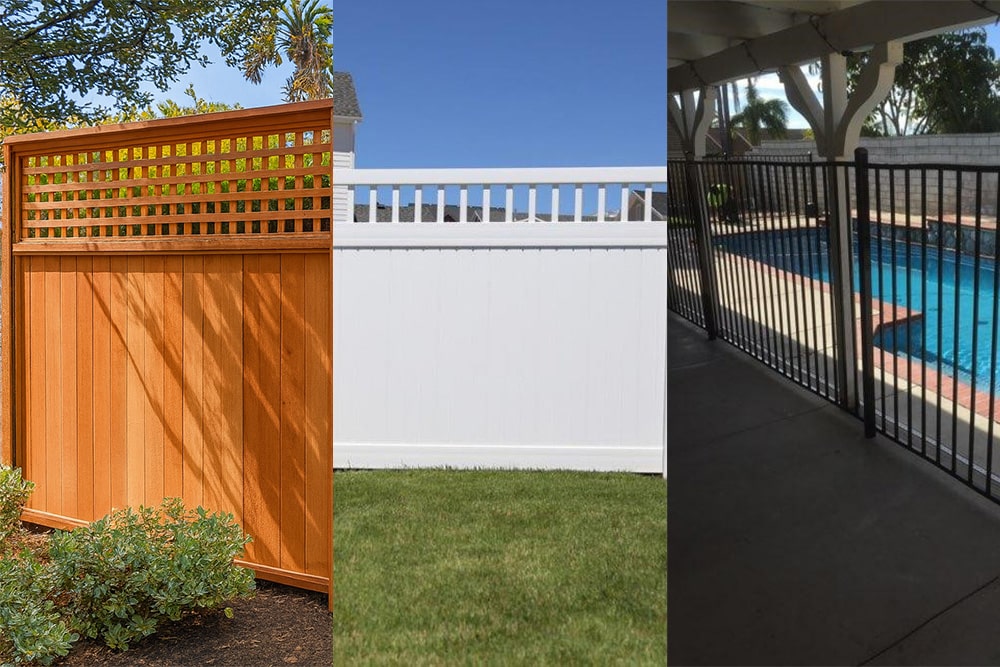

When a client approaches you about a fence for their property, you get the opportunity to act as their guide. Teaching them about the pros and cons of their material options — vinyl, wood, and metal — helps them make an informed decision.
To help you educate them, we’ve teed up some things we think contractors and their clients should know about vinyl fencing as it compares to wood and metal.
Cost-based considerations
Because this is usually the biggest concern for property owners, we want to tackle it first.
Cost of material
Wood is the cheapest option here, followed by vinyl, then metal. Before you recommend wood to a cost-focused client, though, talk them through the other considerations here, including labor to install and upkeep. Keep reading to learn more.
Labor costs for installation
Installing a wood fence is fairly labor-intensive. Teams need to cut fence panels and posts to size, level them, and secure each individual panel in place.
Installing a metal fence is even more involved, and it generally requires welding. That introduces jobsite risks that add cost.
The right vinyl fence (like the ones we offer) can be prefabricated to the exact specifications of the project. With computer numeric control (CNC) machines, the fence can be sized as needed for the property, and even notched so that panels fit together without any extra on-site adjustment from your team.
Our team can also custom-fabricate gates to fit exactly as you need. Because all of the components of the fence get created for the project, installation is usually faster and easier than with wood or metal fences. This helps clients save on labor costs.
Cost over time
To maintain a wood fence, your client needs to periodically re-stain and seal it. If they’re properly maintaining the fence, wood usually costs more by the second staining than vinyl, which requires extremely minimal maintenance (more on that below).
Metal fences can rust, and consequently require sanding and reapplication of protective coatings, too.
Lifespan should also be a cost consideration for your clients. Wood fences often last about a decade — and can go up to 20 years with premium wood and consistent maintenance. Vinyl usually lasts 20–30 years, while metal fences tend to last 30 years or more with proper maintenance.
Other considerations
Finally, you can help educate your clients about upkeep and their aesthetic options.
Maintenance
Whichever material you decide to go with, a fence is an investment into your property. Properly maintaining your fence is critical to getting the most out of your investment. Wood needs consistent staining and sealing, plus defense against insect damage and splintering. Metal fences may need to be periodically sanded to remove rust, and protective coatings often need to be reapplied.
Vinyl, on the other hand, is almost fully maintenance-free. A simple rinse keeps it looking new.
To compare the costs of maintenance over the life of a fence know that an initial installation of a wood fence may be cheaper than vinyl. But if you pay more to stain the wood, the two become closer to the same price. If you properly maintain your wood fence and re-stain it every 2-3 years, a vinyl fence will have been less expensive upon the 1st re-staining, and much less costly over the lifetime of the fence.
Aesthetic
In the modern age, wood, vinyl, and metal fences all offer a variety of aesthetic options. Metal fences can be powder-coated and wood fences can be stained to match your customer’s design preferences.
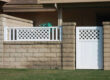
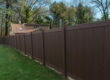
With vinyl, they can choose the look they want without requiring an additional application. We offer vinyl fencing that mimics wood grain and color (e.g., walnut, sequoia, aspen) — but without the need to continually re-stain the fence to maintain that appearance.
If you want to talk more about fencing options for your client, we’re here to help answer any questions you or they may have. Contact our Vinyl Craft team today.